David Maus Jr., the internet’s premier expert on cold plunging, saunas, and other biohacking tools, makes his return in this episode.
David and I explore the science behind extreme temperature therapy, dive into the mental clarity, recovery, and longevity benefits of cold plunges, saunas, and contrast therapy, and the best ways to fit these practices into your busy life.
We go much deeper than cold plunges and saunas though. We also cover related biohacking topics like red light therapy, acupressure mats, and creatine (the most studied supplement on the planet with lots of benefits that transcend fitness).
If you feel like something’s “off,” you’re ready to take your next step on your fitness journey, or you want to do everything in your power to live as long and strong a life as possible, then listen to this episode.
Here’s what David and I discuss in today’s show:
- Why contrast therapy is the holy grail for recovery and circulation
- When to choose cold therapy and when to choose hot therapy based on the benefits you’re looking to unlock
- How creating an intentional recovery practice is the single most important thing you can do for your overall health and longevity
Listen now!
The Better Man Podcast is an exploration of our health and well-being outside of our physical fitness, exploring and redefining what it means to be better as a man; being the best version of ourselves we can be, while adopting a more comprehensive understanding of our total health and wellness. I hope it inspires you to be better!



Use the RSS link to find the Better Man Podcast on other apps: http://feeds.libsyn.com/404744/rss
Episode 154 Highlights
- How to boost your mood, energy, and fast track your recovery by doing this simple, yet tough practice (1:15)
- Why you must gradually adapt to colder temperature extremes (5:30)
- Physiological advantages of hot therapy, particularly sauna use, for cardiovascular health and cellular repair (10:20)
- Why contrast therapy is perhaps the single most effective way to recover as quickly as you did in your 20s or 30s (15:45)
- The #1 mistake men make when experimenting with extreme temperature therapy (20:10)
- Are other related biohacking practices like red light therapy, acupressure mats, and creatine supplementation worth it? David explains at… (24:00)
- Why wearing synthetic clothing in a sauna can not only defeat the benefits, but can put your health at risk (38:05)
- How to integrate new wellness therapies into your life (especially if you’re busy) (41:30)

Resources mentioned on this episode:
- Follow David’s YouTube Channel https://www.youtube.com/@DavidMausJr: If you have any questions about cold plunging, using a sauna, or DIYing your own biohacking tools, David’s super approachable and ready to answer your questions.
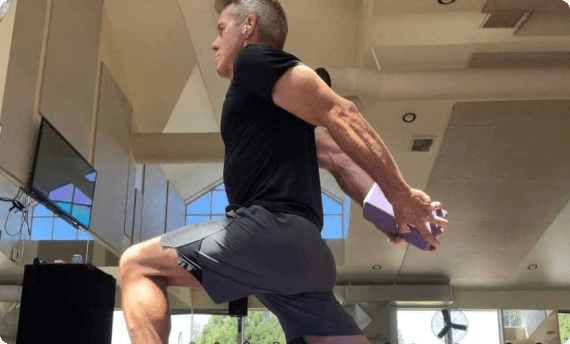
- Man Flow Yoga Events: On February 28, I’m hosting a Saturday Workshop in Denver, CO. If you want to do yoga with me and get feedback in real-time, get your ticket here: https://shop.manflowyoga.com/collections/in-person-events/products/mfy-workshop-denver-february-2026-02-28
Dean Pohlman: Hey guys it’s Dean. Welcome to the Better Man Podcast. Today’s episode is a repeat interview with David Moss. He is a extreme temperature expert, hot and cold therapy on YouTube. He’s got a fantastic YouTube channel just as a series with him recently. And we’re going to be talking about saunas, about cold plunges and contrast therapy, which is going back and forth between the two.
Dean Pohlman: We’re talking about what it’s good for because it isn’t just for athletes and muscle recovery. There are a ton of other benefits. We also talk about how to do it safely and using common sense. The goal shouldn’t be to just be constantly shivering or feeling like you’re going to pass out from the heat. So we talk about how to do the safely and effectively, and we talk about how we set it into our schedule.
Dean Pohlman: So the easiest way to fit it into your schedule and be efficient, especially if you’re a busy guy. We also talk about why you might want to think twice about wearing organic clothing. We touch on acupressure mats, we talk about red light therapy. We talk about creatine. So these are just few of the topics. But the overall goal here is just like what I do with minimal yoga.
Dean Pohlman: It’s figuring out how can we have healthier lives, how can we be independent for as long as possible to be able to do what we want physically with our bodies, be around for the people that matter. And that’s ultimately why Dave and I do what we do. And, I hope this helps you and I hope it inspires you to be a better man.
Dean Pohlman: Enjoy. Hey guys, it’s Dean, and welcome to The Man podcast. Today we’ve got repeat guest David Moss, not Moss. And, he’s going to be talking with us about his expertise, which is extreme temperatures. So hot therapy, cold therapy, moving back and forth between the two. And, we’ll see where this conversation goes. So, David, thanks for being here.
David Maus Jr.: Man. Thanks so much for having me on again. I love conversations with you. So this is going to be a fun one.
Dean Pohlman: Yes. So we’ve already done a we did a previous episodes. If you want to go back in kind of your, you know, days full story there. I’d encourage you to do so because it’s, it’s a pretty cool one, but I’d love to just kind of recap the how you got into, cold therapy, and then we can kind of lead the conversation into there.
Dean Pohlman: So because I think it’s a good one. So what what was your cold your your cold therapy story? The short version for people who haven’t heard it.
David Maus Jr.: Short version. I was in the car business for 20 years, and during the last probably five years of that, I started experiencing some severe brain fog and just, I don’t know, it wasn’t like focus issues, but just like, I wasn’t firing on all cylinders every day, and I was drinking the energy drinks, the coffee, trying all the things, and I just couldn’t figure out what was going on with me until I finally jumped in some cold water, fell in love with that, then started to just dive deeper down the rabbit hole and figure out these bio hacks that actually worked, other than having to take supplements and all this other stuff.
David Maus Jr.: And I just fell in love with it, found love with it to the point where I started talking about it on my social media platforms, which wasn’t very many and wasn’t very big at the time. And now I get to review pretty much every wellness product there is on the market. And it’s it’s gotten me into a lot of cool stuff, but I’ve gotten to naturally explore.
David Maus Jr.: Like once you find something that changes your life, you kind of want to tell everybody and you also want to you want to do more of it. So I started cold plunging every day. Then I started realizing that contrast therapy was a thing. It wasn’t going to kill you. Yeah. I’ve I’ve experimented with red light therapy for a long time.
David Maus Jr.: Groundings, natural sunlight, different things like that. And now, because of the the magic of social media and YouTube, this is what I get to do for a living. And I love talking about it because I am not a doctor. I am not a scientist. I am nothing special. I’m just a normal dude, a dad, father of four, married for 15 years.
David Maus Jr.: Just a guy who likes to put myself through these different tests and see what actually works. Not just what a brand wants me to tell you. It does? Yeah, that makes sense.
Dean Pohlman: Awesome. Yeah. So. And that’s like. And that’s actually how I found you as I was. So I have a cold plunge from the plunge. And I try to use that multiple times per week. Some weeks are better than others. Some weeks I’m like every day. Some weeks are like not at all. But it’s all it’s all over the place.
Dean Pohlman: But, I was trying to clean mine and I hadn’t used in a while, like, okay, let me, let me find a video. I want to, like, make this brand new again. And I found your video on YouTube. Watched it super informative. Really, like, just really broke it down into easy steps. And then I reached out to you and we started talking from there.
Dean Pohlman: So, you know, what are the, you know, for people who are listening? And I think, I think a lot of people also I kind of have that, you know, that historical, mentality of cold water being like, oh, cold water will make you sick. Don’t don’t get in cold water. And so, like, you know, what is the why would people get in cold water?
Dean Pohlman: Like, what are the health benefits.
David Maus Jr.: So I have a really recent story to share that I think might make more sense than some of the science stuff, because sometimes you hear the science stuff and you’re like, oh, those are cool words. I just don’t know what they mean. So I’m just going to explain it in a way that I think everybody’s at least experienced before.
David Maus Jr.: Have you ever been a little bit tired? You know, maybe you’re driving and it’s late at night and you’re and you’re a little tired and you’re like, man, like, I could definitely go to sleep right now. And all of a sudden a deer jumps out in front of you, or the car in front of you, slams on the brakes out of nowhere, and you get that shock, right?
David Maus Jr.: Like, oh my gosh, everything had to activate quickly. Like your brain had to fire and everything just turned on immediately. One second you’re tired and you’re groggy. The next second you are fired on all cylinders, your butts puckered up, your brain’s going a thousand miles an hour, and you just experienced a little. A little sense of shock. Well, that is what.
David Maus Jr.: Every time I get into a cold plunge, that is what happens to me. So, like, if it’s four in the morning, five in the morning, early in the morning, and I’m tired, Kathy is not going to wake me up. A pre-workout that’s not going to like, really wake me up, but I can go from the bed being tired to getting into cold water, and that shock immediately wakes me up and gets me firing on all cylinders.
David Maus Jr.: The cool thing too, is if you’ve ever experienced that, like really quick shock reaction, or if somebody scared you, like maybe you and your wife are playing around the house and like, she jumps out of the corner and scares the crap out of you. You’re like your senses are of a.
Dean Pohlman: Different marriage than I did.
David Maus Jr.: Just heard me yesterday. So, like, that’s that was where that story came. And I’m like, dude, you scared the crap out of me. And like, it’s like, right before bed too. So I’m like, man, you know, and I’m screwed. But anyway, like that shock, that shock that you feel where it just fires everything and you just are awake in you.
David Maus Jr.: You’re you’re thinking clearly and everything just feels good. The difference that I like about counter therapy versus shock therapy, I guess, are similar is that when you get into cold water, that shock and those feelings, those endorphins, those things that make you feel good, they can last for hours, like a cup of coffee that might make you feel good for, you know, while you’re sipping it.
David Maus Jr.: Or ten minutes, 30 minutes afterwards. It makes you feel on fire, like you feel good for hours afterwards. So I started to, I started to do that on a regular basis, and I found myself craving it. And I also found there was some really interesting things I noticed about myself. And this was before there was so many videos and people talking about it.
David Maus Jr.: But I also noticed that my recovery was was much faster. I always did high intensity training. I was never really much of a runner, but I do high intensity CrossFit style training and I’ve always had some form of injury. So not only was I feeling energized and on fire for hours, I was also recovering from my workouts faster, leading me to training a little bit more and a little bit harder without the repercussions of that.
David Maus Jr.: So there was like all these compounding effects in my life from cold plunging that I just felt like this. This is something more people need to experience. So if you’re someone who’s never experienced cold water and you’re like, hey, like, I don’t want to get sick, my mom and dad told me, don’t get in cold water, you’re going to get sick.
David Maus Jr.: There’s a difference between like getting yourself into a controlled, stressful environment, like a cold plunge and then being able to get out with a towel versus, you know, traveling on foot through Antarctica and not having a place to warm up. So it’s it’s a little more controlled. You’re able to warm up if it gets a little dangerous and hypothermia is a real thing, but it’s not really much of a real thing when it comes to using cold water therapy as a as a wellness practice.
Dean Pohlman: Yeah. I mean, if you stay in beyond, like if you don’t listen to your body and you’re just doing it as like an Ironman competition where you’re like, I’m going to stay in here for as long as I possibly can. And you know, when you’re you’ve been shivering for, like five minutes and like, yeah, that’s that’s that’s a really dumb way to do it.
Dean Pohlman: Or if you’re like, you’re just starting out and you’re like, oh yeah, I’m going to do like 38 degree water. Like I’m going to start there, right. Like and just like, you know, it doesn’t have to be that cold where you’re going to be like in the 60s, you can even, even even like low 70s is going to feel cold, right?
Dean Pohlman: If you think about what water temperature feels like versus like what the air feels like 70 degrees, water feels a lot different than seven degrees, just, you know, ambient temperature. Absolutely. It doesn’t have to be cold. And it doesn’t have to be long. Basically, you’re you’re staying in it too. And I like that you use the word controlled stress, like you’re using cold water as a form of control, controlled stress to get your body to a certain point right where it feels like, okay, I’m starting to get colder.
Dean Pohlman: I’m a maybe I’m about to start shivering. Maybe your body’s telling you, okay, hey, like, we should probably get out at this point, and then you get out, right? And you slowly build that tolerance over time. Like, I went to, my my wife took me to a I, I it’s like a mineral spring park this past week, and so it’s kind of cool.
Dean Pohlman: It’s it’s like, it’s this little town in the middle of San Antonio, Austin, Houston. So it’s like in LA, kind of right in between all those big cities in Texas. And there was a, there’s a mineral spring there. So the water has healing properties. And in the early 1900s, people would go there as like a form of it, use it as like a form of treatment for polio.
Dean Pohlman: So it’s got kind of full history. But there’s a cold plunge there. They have cold plunge in, in a hot tub right next to each other. And so you see people like getting in the cold plunge and walking in. They’re like, oh my God, it’s so cold. And like, you know, I have a cold plunge in my backyard.
Dean Pohlman: So I just walk in. My face doesn’t change. My breathing barely changes because I know how to do it right. But for people who haven’t done it, you know, they’re getting in there, staying in for five seconds and they’re like, oh, too cold getting out. So it’s like, you know, it’s the same as it’s the same as like, you know, going through a 60 minute yoga practice versus being new and going through a ten minute yoga practice.
Dean Pohlman: Right. You scale up to doing something. So, you know, for the people who are, you know, concerned about doing cold water, then. Yeah, like if you go straight to level ten, you probably could do something to, to mess yourself up as it, as you would with any anything that’s physically, physically demanding.
David Maus Jr.: So no, absolutely. I think that’s I think that’s really important for the listeners, especially if there’s anybody listening who has not done this before. Listen to your body. That was a key thing that I had to learn because like when I first started doing it, not a lot of people did. And the people who started making it popular, like Joe Rogan, they’re getting into 31 degree ice filled tubs for 20 minutes.
David Maus Jr.: Like there’s no reason, no rhyme or reason for that. And maybe, I mean, if you can sit in that cold a water for 20 minutes and your fingers don’t turn blue and fall off and you’re not shivering, then you’re a freak of nature. God bless you. But for me, like, I, I like getting into where personally, like, my favorite temperature’s 48 degrees.
David Maus Jr.: Can I go colder? Yep. Can I go warmer? Yep. Can I go long? Yep. But I don’t like to. For me, 48 degrees for two minutes I feel incredible, I feel unstoppable, I feel the benefits for hours. That’s ideal for me now. I have a lot of cold plunges and some of them are filled with ice. Some of them we’ll.
Dean Pohlman: Go look at Dave’s, YouTube channel. And I don’t know if you have one where you two of your house, but if you just kind of look around in the background, there’s just, like, different cold plunges throughout your house because you have to fit them somewhere. And they, they give them to you. So, you know.
David Maus Jr.: It’s it’s saying it’s a it’s insane. But now I do love like I love the challenge of getting into an ice filled cold plunge that has ice floating around and seeing at what point does my body start to shiver? Because when you start to shiver, that’s your body. You saying it’s time to get out now it’s getting dangerous.
David Maus Jr.: And so once you activate shiver, that’s when you should get out. Like whoever’s listening to that. And if you’re crazy and you want to stay in, feel free. That’s up to you. Make your own decisions. But that’s your body’s way of saying everything’s been activated. We have maximized this cold plunge. Let’s get out of here before bad things happen.
Dean Pohlman: I like that. And, you know, so this brings up a couple questions. So I did, and if you look, guys, if you’re listening or you’re looking for more conversations on, hot and cold did a really good interview with Brian McKenzie. Do you know Brian McKenzie? You heard the name.
David Maus Jr.: Breathing Coach, right?
Dean Pohlman: Yeah, yeah. Sleep over me. I know he’s a breathing coach. Yeah, this is it. I think is, I think exact title, like human optimization specialist. But he is he’s one of the first guys who started doing research on cold and hot therapies. So, like, he started doing this, I want to say back in the 90s before people were really doing it.
Dean Pohlman: So it’s kind of cool to hear him talk about it because he’s like, he’s been doing this for decades before. He’s really popular. And so, I think one thing that really stood out to me, is he said, yes, cold and hot therapy are are great, but there are more benefits. Hot therapy and cold therapy. Yeah.
Dean Pohlman: And so that one, that’s my segue into, you know, saunas.
David Maus Jr.: But, a little video of Brian doing the assault, like in a sauna.
Dean Pohlman: Yeah, yeah, yeah, he’s all about that. He’s like, his whole thing is like, get, his whole thing is like, improve your. Oh to max. So, like, get hot and challenge your breathing at the same time. So that makes total sense.
David Maus Jr.: I have the plum sauna and you can fit the assault bike into that. I actually designed it around his request.
Dean Pohlman: Yes I will that’s cool, I can I’m just I’m just imagine the absurdity though of like, carrying my assault bike and, like, putting in the sauna. I’ll get over it. But, you know,
David Maus Jr.: It’s got to be like, you got to keep it in there. I don’t know, I haven’t done it. I know the benches in the plum sauna fold up against the wall, and you have, like, a four foot by. I think it’s seven foot space. So you could do yoga and they’re.
Dean Pohlman: Big in there.
David Maus Jr.: It’s huge. Yeah. Like the pool. Excel is a really good size. The floor has like that BPA free rubber. So it’s it’s got grip too. It’s a cool design. I haven’t taken advantage of mine being able to do all of that. I just use it as a sauna. But let’s segway in the sauna because I agree with Brian.
David Maus Jr.: I love cold plunging. I think there’s a lot of energizing and mental benefits to it, but I think, biologically, physiologically, I think the sauna is the best bang for the buck.
Dean Pohlman: Personally, yeah. I mean so what is you know, and I, you know, I’ve made plenty of content on, on sauna. But I’d love to hear from you. Like what are the benefits of being in a sauna.
David Maus Jr.: So for me I mean these are a lot of personal opinions. But for me, what I love about the sauna and it’s for me, it’s it’s bang for the buck to, like, going to, like, having to drive to someplace to go do something for 30, 40, 50 minutes. And that’s one of the reasons I love your channel, too, is like being able to do yoga at your house, and you have so many different videos on different times, like, if I only have 15 minutes today, what am I going to like?
David Maus Jr.: What’s going to maximize benefits for me as a human in that 18 minutes is driving to the gym to try to like stretch for ten minutes? Is is that beneficial or should I turn on my TV, go to my man flow yoga and and do a 15 minute flow real quick? Or in my world, is it grounding cold plunging sauna?
David Maus Jr.: What’s going to give me the best bang for the buck? And it depends on what my goals are. So like if I’m about to go into a meeting with somebody or a podcast and I need my brain firing on all cylinders, it’s going to be a cold plunge. Like cold plunging is just going to activate all the mental things that I need to be sharp and be ready to be dialed in.
David Maus Jr.: If my goal is to improve VO2 max or I want to improve my endurance or longevity, I’m probably going to spend a little more time in the sauna. Because one of the things I love about sauna, and I don’t think a lot of people make a ton of content about it, but like, I love tracking and I just wear Garmin, so it’s not as cool as the auras and moves and all that stuff.
David Maus Jr.: But I wear this watch to track everything that I do. I really enjoy seeing those metrics, and what I love about sauna is depending on the temperature, you can get into zone to cardio by sitting down very quickly in a hot sauna and you’re you’re sweating. You’re activating heat shock proteins, which are like the body’s little cleanup crew.
David Maus Jr.: It goes a route.
Dean Pohlman: Start really no impact cardio.
David Maus Jr.: Truly no impact cardio. So I can sit in a sauna for a ten minute session. And obviously you going longer. Going hotter. Same thing as a cold plunge. It’s all up to you. But like my ideal is like a quick ten minute session in the sauna, above 190 degrees, really, really hot. So I start sweating and my heart rate starts climbing very fast.
David Maus Jr.: I don’t have to sit in there for 20, 30 minutes before that happens. And I get into zone two and sometimes zone three cardio, depending on how long and how hot you’re in there. And to me, like, that’s pretty incredible. Or even sitting to sit in a sauna for ten 15 minutes, you’re in zone two the entire time and you’re reading a book, you know, I mean, like, you’re not running from the trail or rowing or biking.
David Maus Jr.: You are. You’re reading a book or you’re you’re in a nice space where you’re kind of forced to to pause and reflect and, and you can’t have technology in there. So it’s an interesting space and it’s a place that I really enjoy spending time.
Dean Pohlman: Yeah, yeah, I found, you know, I like that, you know, bang for your buck wise. Like, there’s very few things that can be as dramatically stimulating as, as a cold plunge, right? Like there’s that’s like. That’s like a minute or like, like 30s. Like if you have if you if you like. Oh, I got two minutes.
Dean Pohlman: All right. I’m just going to, like, take my clothes off and keep my boxers on. Go run a jump in the cold plunge.
David Maus Jr.: Mr. Naked.
Dean Pohlman: Yeah. You know, if defenses are big enough, and then and then. Yeah. And then you and then you get out and then, like, within a minute, you’re like, okay, like things are different, right? So like bang for your buck wise, like totally. Sauna wise, like, yeah, if it’s hot, if you stay in there long enough. I think it’s also a good opportunity to.
Dean Pohlman: I’ve personally noticed, benefits wise, definitely. Definitely. You know, sped up recovery. Like, I think it really helps with getting rid of soreness. I’ve also noticed that, like for me, if I ever have any sort of body tweak. So like if my, let’s say my lower back is like, you know, every now and then I get a lower back tweak and the result of a lower back tweak or a muscle strain.
Dean Pohlman: Not that the two are the same to a different, but the result is that that area tightens up, right? It’s a defensive response to the whatever trauma it’s happened, whatever injury, whatever damage happened. And so the the way to recover isn’t necessarily giving it time. It’s getting it to forget the trauma. Right. So it’s getting it to relax.
Dean Pohlman: The tension that it created to protect yourself. And saunas are really good for this because they get muscles to relax. And so they help you to release that tension that happens as a result of the tweaks. So like for me, whenever I have a low back tweak or whenever I have like just stuff flaring up, I’m like, okay, to this week, I’m going to be more intentional about getting in the sauna, like I’m gonna and the way that I like to make it more efficient because, you know, we’re we’re both busy guys.
Dean Pohlman: If you’re probably listen this, you’re a busy guy. So, you know, you’ve got a the easiest way to make it more efficient is to do something ahead of time. So like go for a walk, do a workout, do some yoga, get your body kind of heated up beforehand. And then when you go in that you’re already sweating. So now it turns from like this, you know, this 15 or 20 minute deal into maybe just like a ten minute ordeal, right.
Dean Pohlman: So there’s a lot.
David Maus Jr.: You really want to do something cool if you if you have the ability, if you have your own home gym or if you just did a yoga session, that was a challenge and your heart rate’s already been up. I absolutely love jumping into the sauna directly after a workout. So while my heart rate’s still jacked up, you. I feel like I once again, not a doctor, not a scientist.
David Maus Jr.: I feel like it for sure.
Dean Pohlman: You’re a scientist.
David Maus Jr.: I guess I am a scientist is what people have been saying. Because I’m.
Dean Pohlman: Yes, sir. Your, your amateur scientist.
David Maus Jr.: There’s this flushing feel that that you can’t get. I can’t get it doing anything else. But immediately after my work and I’m talking about, like, if I’m doing a crazy high, intense exercise instead of, like, hitting the ground and, like, collapsing and dying, like, yeah, I just did it, I am I take that energy with me straight into the sauna while my heart rate is still jacked up and it’s so crazy.
David Maus Jr.: I’ve actually, I should make a full video on this, but like if my heart rate is at 160, like if I just if I ended on the Salt Lake and my heart rate is up there, whatever my heart rate is that I bring with me into the sauna, it stays pretty much the entire time. While I’m in the sauna.
David Maus Jr.: I think it’s like your body knows, like I don’t, I don’t know, like I would be a really cool thing for someone who’s got a lot of money to study. But it’s a really cool thing that happens, like your, your, your body’s currently exerting itself to that level. Zone three, 4 or 5, whatever it is. Like that level.
David Maus Jr.: Yeah. And when you get into that pot setting, even though your body’s not physically exerting, it fuels that heat. Yeah. And that weight of that heat and it keeps you there for as long as you’re in there. Like I’ll do a five, ten minute session immediately after my workouts. And it just like keeps my heart rate right where it’s at for that additional time without exerting any additional energy from my muscles.
David Maus Jr.: And then when you get out, like you do, feel this just like it feels so, so good. And I know it’s very controversial, but personally I, I love cold plunging after my sauna sessions.
Dean Pohlman: Like go cold plunging in biohacking world. Not now, not controversial and like U.S. news or like.
David Maus Jr.: Yeah, yeah, yeah, it’s even some vibes. Some people think that, you know, you should mix hot and cold. I, I beg to differ. And what you said earlier how sauna relaxes your muscles. It’s really cool for me to see what’s actually happening with my body and what my body is capable of. But more importantly, like I’m a father of four, I’m married, and to have my wife experience that, my kids and our friends come over and experience that like, oh wow, you can go from a 200 degree setting where your your pores are open, your muscles are relaxed, your your your veins are popping, you are sweating like crazy.
David Maus Jr.: And your heart rate’s typically in zone two, it’s over 100 and 220 beats per minute. And then immediately you get into cold water and not die. Now obviously like this is you know, there is some caution here because there are some extreme cases. But the fact that you can go from that hot, that hot sauna into a cold, cold plunge and the body can adapt, it’s able to adapt.
David Maus Jr.: That’s been the most interesting thing for me to experience throughout this entire journey.
Dean Pohlman: Yeah. So let’s talk about that a little bit. We can talk about. Because what we’re talking about here is contrast therapy. And this is a super popular, technique used for recovery. So you know, there are there are now I don’t know, depending on where you live, if you live in like a, if you live in a larger city, you’re there there are places for this now.
Dean Pohlman: There are recovery. I don’t know what they called recovery studios, recovery labs. But you basically go there to recover. And, you know, most people are not in their 20s anymore. So recovery is more just as important as your workouts. Now, for every intense workout that you do, you should also be doing some sort of lower intensity, you know, intentional recovery, flexibility, stretching, whatever it is.
Dean Pohlman: But when you go to one of these, these, you know, these recovery labs, one technique they’ll have you do is contrast therapy. So you’ll go in the sauna for two minutes, and then you’ll go in the cold plunge for like, 30s, and you’ll just go back and forth. I think like the minimum amount of, like, sets will be like three, but, I mean, I’ve heard people do it just like 30 minutes straight.
Dean Pohlman: Just go back and forth, back and forth, back and forth. So what’s the what’s the idea behind contrast therapy? What’s what does it do? How is it helpful?
David Maus Jr.: It’s one of the most euphoric feelings, I think a human can feel, other than doing an illegal drug or substance that I don’t want to talk about or recommend when you get into. So the typical process of what what we do and we do it a lot, we try to do it every night. We live in Florida, so we get a lot of thunderstorms.
David Maus Jr.: We’ll do the sauna and we’ll crank it up as those hot as everybody feels good with, try to do a 10 minute to 15 minute session. We’ll go even longer 10 to 15 minutes in a sauna, full sauna session at some people standards. Right. And you’re you’re sweating, you’re relaxing the muscles. You’re vaso dilating as they say, where your, your blood vessels are opening and blood is just leaving the organs because it’s like, holy smokes, we need to we need to leave so we don’t overheat.
David Maus Jr.: Like your vital organs. Your blood will heal your your core and go out to. That’s why you get puffy too. Like if you wear a wedding ring, a lot of times people get into a sauna or they get hot or outside where it’s hot and humid and their hands get puffy. Let’s like the blood is leaving the core and it’s going to the extremities so that happens when you’re in the sauna.
David Maus Jr.: You sweat off, I feel good muscles, relax, all that fun stuff. Then there’s a very important step we can’t forget. You need to shower off because you don’t want to bring all that sweat and then fight into somebody’s cold plunge, like, quickly shower off. Like, just get the sweat and stuff off of you and immediately jump into that cold plunge pool.
David Maus Jr.: When you get in a cold plunge. Kind of like we talked about the beginning of this. Your body goes into shock. So it’s just in the most like relaxed state ever. You’re in the sauna, you’re feeling nice. You’re like, you know, having that bro conversation. Kind of like The Croods two there in the sauna, you know, like banana.
David Maus Jr.: Don’t eat the banana. And now all of a sudden you’re getting you’re getting into cold water. That’s forcing your body into shock to wake up. It’s like, whoa, hey, hey. Like, okay, we’re relaxed now. Now we have to wake up. And almost immediately, very quickly, your body is like, we just went from really, really hot to really, really cold.
David Maus Jr.: Everybody activate and it starts activating your cells and it starts to rippling that blood. That would just left your core back into your core. So it’s a really cool thing. Like my, my father in law, my mom, I had I’ve had some people who are older come over and do some contrast therapy with us, and they have like circulation issues, and you can really feel the circulation areas like where there’s there’s a lack thereof of circulation.
David Maus Jr.: Yeah. You contrast therapy because they’ll feel like their feet will start to tingle in a very, you know, and crazy way. Basically, your blood has now been forced out to the extremities. Now it’s being pulled back into the core very quickly. And it’s, it’s one of the most incredible feelings I’ve ever felt in my life. And I.
David Maus Jr.: And I crave it. So it’s a great flushing technique, like, throughout the body. It’s a great way to circulate blood throughout and even oxygen throughout the entire body really, really fast and great for recovery, great for, believe it or not, reducing inflammation even seems like that would cause inflammation. It helps to reduce inflammation and it’s just a great it’s a great way to recover.
Dean Pohlman: Yeah. And like that that that circulation boost that you’re talking about. That’s how your body gets rid of dead cells. And brings in new cells and new nutrients. So it is really good for recovery. So I’m assuming, you know I’m just connecting the dots here. But I’m assuming it creates this euphoric feeling because your body’s like, oh this is good.
Dean Pohlman: This is really good for us. We want we want this. And so like you know, so so you know, one way that I’ve been using, contrast therapy, I have this weird I think of like this over a year ago now, over a year ago now, I, I was wearing a lot of barefoot shoes, and I did this for years.
Dean Pohlman: I wore a lot of bare, barefoot shoes for years. And I did it to the point where I just did too much of it. And I don’t think I was also, I think I was also striking the ground incorrectly. I think I was putting too much weight in my toes and not planting enough with my heel. And so what is happening was I actually fractured a bone in my foot.
Dean Pohlman: It’s not a stress fracture. It’s kind of like a stress fracture, this little bone called a sesamoid. And it’s kind of funny because my wife had the same exact injury, like a couple of years before that, when she was pregnant. And, you know, as when you are pregnant, you and you get more prone to injury. And so we have the same fracture.
Dean Pohlman: One more reason we’re bonded forever. But this thing takes forever to to heal. Like I have been wearing, like, special inserts in my shoes for, like, almost a year now. I still have, I still have them. But I did some research, and I feel like, okay, what helps. And I found that calf stretching is one part of it.
Dean Pohlman: So I’ve been doing a ton of calf stretching, and when I do that consistently, it feels pretty good. But the other thing that I found was I went down the rabbit hole and I was trying to figure out like, well, how do you like, what else can I do? And someone there mentioned, I had this issue and what helped me was doing contrast therapy.
Dean Pohlman: I was like, oh, that makes sense, because what you’re doing is you are forcing blood flow into the extremities. So it’s this area feels good. Hey, hey, sorry about that.
David Maus Jr.: This is like a seven time a day thing. Golly, it’s our friend, the package delivery man. Sorry about that.
Dean Pohlman: You’re good. I’ll just make a note here. Oh. It’s time. Warning. Dogs barking. No. You’re good. Oh, as I say.
David Maus Jr.: So we’re talking about extremities. Go back. Because that was such a cold. Hey! Please stop!
Dean Pohlman: Hey! Off! Oh, yes. Just turn off.
David Maus Jr.: Turn off, dog.
Dean Pohlman: Not off.
David Maus Jr.: All right, so you were talking about your foot injury and, you know, forcing the blood into the extremities. That was a good. It was a good point. Yeah. And then a little guilty, please.
Dean Pohlman: Yeah. So. Yeah. So, see, I know what it was doing was it was helping to get circulation into an area that wasn’t getting a lot of circulation. You know, the only thing about this is you have to do it kind of consistently. You can’t just do it once and expect, expect results. But, you know, these are the kinds of things that, hey, my feet are really important to me.
Dean Pohlman: You know, I need to be able to use my feet because my job is physical. But, you know, even beyond that, if I even even if I wasn’t doing manual yoga, I would still have this much concern over my body. I still want to be able to use my body for as long as possible. And, you know, getting getting older, getting getting into my, my late 30s now and, and, I want to be able to run, I want to be able to sprint still like and if I can’t figure that out in my 30s and I try to start doing it again in my 40s, it makes me a little bit harder, you
Dean Pohlman: know? So I keep that in mind whenever it’s like like whenever I’m looking at issues with the body, you know, I’m trying to figure out like, hey, how can I be proactive about this? Because I could fix it later, but it’s just going to be so much harder. So let me let me figure out how to, you know, fix things now rather than waiting for later.
Dean Pohlman: And that’s why that’s why these things like contrast therapy are like, you know, I had my red light unit on as we started this interview. That’s why I use these things, because it’s just little things that can that can help with with this, this overall equation. Anyways, that’s where that’s my contrast therapy story.
David Maus Jr.: I love it. No, our goal is to just is our body’s constantly trying to heal itself from all the things we put it through, you know? And I think that’s, it’s it’s just the way we were designed our, our body can heal itself, but we just aren’t. We’re not wired to rest. So I think we that’s something that is overlooked a lot is rest is incredible and probably the most foundational recovery thing.
David Maus Jr.: But we just it’s hard to do that. And your feet, you need your feet. You’re on your feet for everything. Unless you’re doing handstands.
Dean Pohlman: And you did. You did this. What is it? It’s got a system. What’s not in the system is asana. What’s the board you used? You have this, like, board that has a bunch of nails on it that you steal.
David Maus Jr.: So there’s a, there’s a it’s called, like, a prana mat. The acupressure mat. Oh, okay. I don’t know the name of the one that I got, but yeah, it’s a, it’s a wooden board with legitimate copper nails in it. It’s the next level. It’s like Marcy. Like, so kind of like the, the cold times. Like, you can start at 70 degrees and then go to 40 and then go to ice like there’s, like middle school, high school and varsity like as far as acupressure mats go, I would not start with the wooden board with copper nails because it is it is varsity.
David Maus Jr.: And I’ve had some people who are pretty strong people like try to stand on it and they, they feel like they’re going to like they feel like their feet are are done, are toast. They’re fine. They don’t. It doesn’t break. There’s a scam, but it’s.
Dean Pohlman: Skin. Yeah.
David Maus Jr.: Mentally challenging, but also it is physically challenging. I love acupressure mats. That’s another very underrated, recovery tool that we use every single night in our house. Me and my wife actually used to fight over our acupressure mat, but yesterday it was my birthday and she got me one. So now we both have one. And, it’s not they’re not crazy expensive either, but they’re just like, you know.
David Maus Jr.: Yeah. Are they? I guess you’re saying they’re expensive, but it’s worth it. It just it kind of similar to the sauna just puts you in this relaxed state. Love doing it before bed. It brings blood to the surface to muscles that don’t get a ton of attention unless you’re actually working out with them. But there’s some. There’s some really good biohacking tools out there that are available that most people have never even heard of.
David Maus Jr.: And if they’ve heard of them, they’re like, oh, that’s not that important. I’m not going to I’m not going to try it all right.
Dean Pohlman: You acupressure mat. Okay. That’s on my that’s on my list as well. So I did want to talk about other safety concerns, you know, because you know I think we’ve talked about some of the obvious ones. Right. The obvious one being, hey, listen to your body when you’re dealing with these extreme temperatures, like if it’s too cold and you start to shiver, get out.
Dean Pohlman: Or if you, you know, you can’t handle, you know, 40 degrees. And hey, let’s start with 50 degrees. Same thing with sauna. You can’t start with 150. Like let’s start with 135 and see what happens there. And when you notice yourself starting to get, you know, dizzy. And if you’re having difficulty breathing, these are these are good indications to get out like you know.
Dean Pohlman: Yeah. And I, I think when I started signing again consistently, before I got an in-home, before I got a sauna in at home, I went to a sauna studio and I’m like, I’m really strong. I’m in really good shape. I’m going to do it at the hottest setting, and I’m gonna stand for 30 minutes no matter what.
Dean Pohlman: And I was okay, but I it was probably more than I needed. Like, I think that when it for me when I was doing it at that I think like I got to 20 minutes in in the last ten minutes was like a real struggle. And I would be kind of like in a daze the rest of the day.
Dean Pohlman: And so like that for me was a sign like, okay, yeah. Even though I’m like, you know, in pretty good shape, I should not be jumping straight to, you know, this standard that somebody else made rather than listening to my body. So what are some other, you know, concerns with, or what are some other things that you should keep in mind when you’re doing?
Dean Pohlman: Let’s start with the cold therapy.
David Maus Jr.: Well, I mean, you got to think of marathon like, think of marathon runners. Just because someone can run a marathon doesn’t mean they’re going to go run a marathon every single day as they’re training. Some days are easy runs. Maybe you’re running 5 to 10 miles at a really slow pace, like almost an embarrassingly slow pace. And some days are, you know, you’re doing 200 meter sprints and you’re doing maybe ten rounds of that, and it’s really quick and you get it done.
David Maus Jr.: And that training is done. All of these different styles of training throughout the week and the month leads you to be able and be capable of doing a very, very cold, cold plunge and a very, very hot sauna for a very long time. If that’s your goal, kind of similar to a runner, they’re going to train a lot of different ways.
David Maus Jr.: The end result to be a fast one, to be able to run further and go faster. So that goes back to like all these recovery tools. Like, I don’t think there’s ever going to be an Olympics where it’s like wellness Olympics where you have a bunch of people like Wim Hof and stuff, and they’re just trying to like, go in the coldest water for the longest time.
David Maus Jr.: If that ever happens, I won’t be signing up. That’s not that’s.
Dean Pohlman: Not they would die.
David Maus Jr.: Yeah, it would be like, not because of this.
Dean Pohlman: Yeah. And it’s not like it’s with cold therapy. It’s not what happens. You’re not you’re not out of danger. Once you get out your your body is still like in you know, I’ve heard I forgot I forgot who this was. But this is really well known. Biohacker. I won’t bring up any names. But he decided to do this, and he spent, like, 20 minutes in this frozen lake and got out.
Dean Pohlman: And his body went into shock. Like, you know, he almost died. Like you can. Yes. Like, don’t you know? Anyways.
David Maus Jr.: On the same thing as a sauna like you. You said you went in there and I feel like there’s a cycle of of, I don’t know if or should we use the word biohacking or just recovery, like there’s a, there’s a cycle of recovery. Like once you once you dip your toe in the water and you’re like, I like cold plunging.
David Maus Jr.: And you say, I’m going to do this every day. You, like most will. If you if you can afford it, you’ll go and you’ll buy one of the better set ups that you can afford. Then you’ll get it to your house, and you’ll have this crazy thought that you’re going to set it to the coldest temperature. That’s that’s possible.
David Maus Jr.: And here’s the thing. Like after we get up this podcast, I have two products that I’ve got to shoot and review. And when I do my reviews, I always mention like, what they’re capable of temperature wise, because that’s always people’s first question. Like one of them is a sauna, but one of them’s a cold plunge. The cold plunge can set to 37 degrees.
David Maus Jr.: Do you know how many times people who get a cold plunge that can be set to 37 degrees, actually, cold plunge at 37 degrees? It’s probably less than 2% of the people who buy that cold plunge actually have their cold plunge set at the coldest setting. Same thing with a sauna. Most people don’t just have their sauna set at the hottest temperature every single time.
David Maus Jr.: And it might they might start that way. The cycles as they get, they see if they like the they see if they like the modality. Once they decide they do, they get one and they max it out like they go either as hot as it can go or as cold as it can go, and then they torture themselves for about a week and then they realize, oh, this is stupid.
David Maus Jr.: I don’t like how I feel. And then they dial it in. And then I think about what is right for their family. And we’re all biodiverse. We’re all different. Me and you could go and get in the same set temperature cold plunge for the same amount of time, get out and feel totally different. And I think it’s so important for people to listen to your body and do what makes you feel.
David Maus Jr.: Remember, the whole reason we’re doing this is to feel better. It’s not we’re not going out and running a marathon with the end result. It’s going to be we have to recover from that for three days. We’re doing this so we recover faster and can go live our life better. Right? This is the betterment podcast. We want to live our life better.
David Maus Jr.: These modalities aren’t meant to be a competition. They’re meant to be used to make us feel better. So I remember listening to a podcast with Andrew Huberman and Joe Rogan when they were talking about, how long do you go and how cold do you go? And Joe was like, dude, those are freaking weenie numbers. Like, you need to set that thing colder and go longer.
David Maus Jr.: And Andrew’s like, I mean, it makes me feel good. And he was getting an 85 degree cold plunges for two minutes. Yeah, I gave me this. This was back. And this was a couple of years ago too. And this, this gave me like, oh man, I’m glad he said that. Because had he not said that like a big figure in the space, had he not said that I was trying to get better at staying in really, really cold, cold plunges for a long period of time and it wasn’t doing me any favors.
David Maus Jr.: I wasn’t feeling any better. And I think that’s the most important thing is like, remember the whole reason we’re doing this and that’s to feel better and recover faster.
Dean Pohlman: Yeah. You know, I’ve told this story a couple times, but my temperature sensor broke. Oh my lunch. And so it was just it was set to the lowest setting. Like it just it just never the freezer. Never turned off because it never thought it was cold enough. So mine was essentially like 35 degrees. And I did that because I’m like, okay, well, this is what I have, and I do it for like 90s or two minutes tops.
Dean Pohlman: But then I’d get out and I just, I’d shiver for like an hour. You know, I like my mornings ruined because I’m trying to focus on my computer, but I’m. I’m shivering as I’m typing, like, so like that wasn’t that wasn’t sustainable. That wasn’t like, that was a helpful.
David Maus Jr.: Right. So I heard something too. And I’ve been testing it a lot lately, and I actually really, really like it. And I forget who said it was somebody who isn’t even well known. It was like a guest on a podcast that I’ve never even heard of before, and I don’t even remember what podcast was to reference back to, but they were saying that really like the if you, the ultimate goal of a cold plunge isn’t to shiver, like to to shiver.
David Maus Jr.: That’s like when you activate brown fat. So it depends on your goals. But the ultimate goal of a cold plunge is to activate that shock. And once you’ve activated that shock, typically there’s a heart rate response. There’s that hoo hoo, that breathing response. You can have ten breaths after you activate that shock, ten relaxed control breaths. After that shock, you have maximized the benefits of the cold plunge for the mind.
David Maus Jr.: Like mentally, obviously you can stay in longer depending on your muscle, that sore, or joints that are sore. But I started doing that. I’m like, oh my gosh. Okay, so as a matter the time or the temperature, let me get in active that shock, control it, and then count to ten breaths. Sometimes that that gets me to a minute.
David Maus Jr.: Sometimes it gets me to a minute and a half, depending on the temperature. And sometimes, like like this morning I did a cold plunge at 530 in the morning. My kids are back in school now, so they all want to get up in Cold Plunge before school. So we all took turns in, in one that we have set at 60 degrees.
David Maus Jr.: It’s not that cold. It’s good for the kids. And they all did it. So like one of the kids was in there for maybe 30s. One of the kids was in there for maybe 35. One of the kids was in there for, a little over 40s like, really like but you don’t. It goes really fast when you think of just let me count my breaths.
David Maus Jr.: And at the end of that ten breaths, your body’s cool, your skin is cool, you feel good, you get out, you have energy and you don’t feel like you. You have to recover from your cold plunge.
Dean Pohlman: That’s. Yeah. I mean.
David Maus Jr.: For someone to try.
Dean Pohlman: Yeah. I mean, if you’re getting, you know, getting cold, plunge in like, the rest of your day is like you’re operating 50%, like, clearly, clearly, that’s too much. So, so let’s go. So let’s go into, safety concerns with, with saunas. I, I’ve only started recently seeing this, but what you wear in a sauna is important.
Dean Pohlman: So now there’s these, like, I don’t know, these these space hats that people okay will wear. And then there’s also and then also I’ve seen a lot of, I see a lot of information lately about making sure that you’re wearing, you know, like 100% cotton. Yeah.
David Maus Jr.: Argan oil.
Dean Pohlman: Yes. Organic cotton or not, you know, not wearing, swimsuits because your body will actually absorb.
David Maus Jr.: It’s crazy, bro. I’ve dove deep in that rabbit hole, actually, like, I’m wearing Ryker Activewear right now. There’s some of my favorite. I bought. I probably spent $500,000 on organic clothes to, like, just test out. I’m. I mean, I’m in the active space. I. I’m always active. I sleep in these clothes. I sweat in these clothes. I code on your new clothes.
David Maus Jr.: I’m working out in these clothes. And there’s a couple brands that I freaking will love. Like the way they fit, the way they look. Everything about I’m like, I really, really love them. But when you dive down that rabbit hole and you really like, oh, shoot, that actually is scary. Depending on your level of of nerdiness.
Dean Pohlman: Or the plastics level.
David Maus Jr.: Yeah. Like I’m a super nerd when it comes to this stuff now, and it’s like, if I can control something, why would I not? You know, like, I can’t control the weather. I can’t control what the government’s going to do. I can’t control taxes. I mean, I can’t control a lot of things, but I can control what I consume.
David Maus Jr.: I can control what I watch, what I put in front of me, and I can’t control what I wear. So why not wear something that’s, that is, is actually not going to do any harm to me. It’s, it’s kind of scary. So, like, all right, let’s talk about that safety stuff. So the reason you wear a sauna hat and preferably like a an organic wool sauna hat, nothing with, like, dyes.
David Maus Jr.: I know there’s some colorful ones out there on Amazon and stuff, like, just get the ugly one. There’s. You don’t have to spend a ton of money. Thicker is better. The whole goal behind the sauna hat is your brain is like the alarm system that tells your body it’s time to get out. Stick your head. And when you wear these sauna hats, it protects your head from overheating fast so you can stay in a hotter sauna for a longer period of time.
David Maus Jr.: Another way to think of it is heat rises. So if you’re in a traditional sauna where it’s where where it’s hot 180 plus degrees, you’re sitting on a bench. Your head is the the highest point of your body. And if your head is telling your body like, oh shoot, we’re hot, get out your feet, your legs, your knees, that your hips, the areas of your body that really could benefit from a little longer time in a sauna aren’t getting that time because your head’s telling you to get out.
David Maus Jr.: So wearing a sauna hat’s a non-negotiable. I wear 100% of the sessions because I if I’m going to get in the sauna I want, I want to maximize those benefits. It’s also good for your hair, like super hot temperature. Your your hair is at the top of your head. And you can I mean, you can depending on the tap, you could fry your beautiful hair and you don’t want to do that.
David Maus Jr.: So it just seems like a very inexpensive thing that has a lot of benefits that are that are simple but super effective. So always wear a sauna hat. Make sure your kids wear sauna hats. If you’re a woman and you don’t want to fry your hair where it’s on a hat, put your hair in a bun and put it all in the hat.
David Maus Jr.: And, that’s definitely a that’s definitely a smart move. The next move would be remove your clothing if you can. If you own your own sauna and you have your own sign at home, like sit on the wood naked like it’s, it’s a better that’s the best option. And if you can’t do that or you’re not willing to do that, you know, wrap yourself up in an organic towel.
David Maus Jr.: Those aren’t very expensive. You know, washcloth or purchase, organic cotton or merino wool clothing. I like the Ryker activewear. There’s some there’s some other brands that I’ve tried that they’re just the most comfortable. And they fit my lifestyle the best. So, yeah, you don’t want to open up your pores and a lot. Here’s the crazy thing too.
David Maus Jr.: Like, I, I’m, I get I’m kind of passionate about this because I’m deeply down this rabbit hole right now. But like most of the brands like that we’ve heard of, I don’t want to say any names, but like big brands, activewear, brands, pretty much all of them are petroleum based synthetic material. And they’re they’re moisture wicking. But the problem is they’re also, hydrophobic.
David Maus Jr.: So they’re moisture wicking, so they help pull the moisture. But they also repel the moisture. So what it does is it pulls the moisture and then repels the moisture, creating this like greenhouse effect on your skin between the short and your skin. So it’s the moisture is coming out of your body. Now the short is is wicking moisture away, but also repelling it.
David Maus Jr.: So it just keeps it on your skin with open pores. It’s just there’s a reason some some people have bad experiences in saunas and get rashes afterwards or break out really bad afterwards. And I’d be I’d be curious if they changed the clothing they’re wearing. And did a few sauna sessions and organic clothing or no clothing at all.
David Maus Jr.: If they would have that same effect, if they would have that same response.
Dean Pohlman: Okay. And what’s the, I guess, what’s the danger? I mean, I don’t know if you specifically said like, what is the are we talking like, microplastics or like, what’s there? I, I.
David Maus Jr.: Don’t know, like I guess, yeah. If you can avoid the I mean you’re putting petroleum based plastic on your body basically wearing, you know, saran wrap around your body while you’re, while you’re sweating, you’re the goal is to detoxify and to sweat out toxins and, and allow your body to breathe freely. And when you’re wearing polyester spandex, nylon, most of these materials, it’s it’s doing the exact opposite.
David Maus Jr.: It’s just holding that that great job. You’re doing a great job. And then you’re just you’re saying no body. Take it back. Keep it in there. God, I think it’s more there’s probably some dangers to it, but just as me like I would just say it’s just gross.
Dean Pohlman: Oh, yeah. I mean, I’ve, I don’t know, I’ve kind of gone down the, I haven’t gone down the rabbit hole yet, but I’ve started thinking more about plastics use and thinking about, you know, I think I saw something a couple months ago that said, like the average 45 year old has like a thumb, like a thumbnails worth of just microplastics just in their body or in their.
Dean Pohlman: Yeah, in their brain.
David Maus Jr.: I think it was in there. I think I saw that same study. It was crazy.
Dean Pohlman: Like was like in your brain really. And so now I’m like, okay, we got to get rid of like, you know, got to get rid of, gotta get rid of my, my plastic plates. I don’t know how that’s going to work for my two year old. We’re going to have to buy new plates every week, or we’re just going to stay with you right now.
David Maus Jr.: We just replaced all of our paper because, dude, same thing. We have four kids. Friends are over all the time. So we would just go buy the $12 pack of 50 paper plates. How crazy expensive is paper products? Now? I all corroded plastic, so like and that’s okay. If you’re like serving chips or something. That’s just like room temp, but like the second you put it in the microwave, we’re literally heating that plastic up and letting it absorb into our food.
David Maus Jr.: Yeah. So we switched to there’s a there’s a cheap brand on Amazon. They’re 100% food grade stainless steel. They look kind of cool too. Like we’ve switched, almost all stainless steel.
Dean Pohlman: That’s going to be the new thing. That’s going to be like the new the new cool plate to have is going to be stainless steel. Stainless steel plates. Makes me think of how, makes me think of the evolution of water bottles. Remember, like when we were kids, it was like all now jeans, like, now do the big thing.
Dean Pohlman: And then it. I forgot what happened after that. But now it’s like, you know, you got to get a stainless steel water bottle and.
David Maus Jr.: Yep. Exactly. Or glass like glass, stainless steel is the only way, only thing you can drink out of. But it’s important. And that’s another thing. If you’re going in the sauna, don’t bring a plastic water bottle like I see people going to. I don’t go to a lot of the sauna studios, but I have and some people will bring their own water bottles and they have a like a, you know, the plastic Gatorade, water bottles, those are fine if you’re like, you know, just drinking one around the house, if that’s what you have, don’t go buy one.
David Maus Jr.: They’re not worth buying. But bringing that into a song is not the greatest decision. And then another thing for the for guys, and I want to say this is probably good for women too, is this is a new trend. I actually made a funny video about it and it went not viral, but it kind of went crazy on Amazon or on Instagram is like icing your boys.
David Maus Jr.: Like actually using an ice pack or putting your people are putting their underwear in the freezer before they get into a sauna. And it just like cools down your your man parts or your lady parts. Before you get in the sauna. I’m shocked.
Dean Pohlman: Actually. And, I was actually in a women’s health class in college, and, it was talking about alternative forms of birth control. And if you submerge yourself in a hot tub, I think it has to be really hot. Has to be like 110 degrees. But you can essentially, you know, birth control yourself if you spend ten minutes a day in like 110 degrees or like, I think it has to be like 20 minutes, I think is what the study says.
Dean Pohlman: But yeah, if you’re looking for an alternative form of birth control, just, you know, submerge yourself in really hot water for 20 minutes or.
David Maus Jr.: It’s still wild. But yeah, the opposite of that would be take a ice pack or something and put it on your your genitals while you’re in the sauna. So your body is getting all the benefits, but you’re not cooking your reproductive organs. Apparently there are some studies or some people are talking about when you do that. It can actually increase your testosterone and helps with hormone health.
David Maus Jr.: Certain, experiments.
Dean Pohlman: Yeah, that’s that’s the thing. That’s the thing I’ve written mentioned that. Yeah. But like heating back up from cold, if you allow yourself to heat back up naturally instead of jumping into a sauna after you get in cold, plunge your testosterone levels like jump up. I have a friend who is, lives in San Francisco who used to live in San Francisco, and he’s really into, like, open water swimming.
Dean Pohlman: And there was a there was a time period when their saunas were broken. And so they would go do their open water swim in San Francisco. You know, God, I’d never swim in ocean like that. Like I’ve seen too many issue, too many shark videos. Like, nope, not hot here. But but they. But then, when their saunas were broken and I think they were doing, they were doing, you know, getting their testosterone levels checked, their testosterone levels, like, jumped dramatically because heating your body back up is, like, helps you, improve your testosterone levels.
Dean Pohlman: So, yeah, that’s one thing that I know with contrast therapy is know for sure. And end on cold.
David Maus Jr.: And, yeah, we didn’t say that, but yeah, definitely. My my routine is 50 minutes on a 2 to 3 minute cold plunge when I’m doing contrast therapy, and it’s really cool. And you track your heart rate to see like how your heart rate just kind of goes up, up, up, up, up, up. And then you can see it like plummet when you get into the cold plunge.
David Maus Jr.: And then it does. It can plummet. I like to do three rounds if I have time, and then always end cold and allow your body to naturally warm back up, even if I if I do this at night, which I do most of the time, I’ll end cold. I’ll just quickly towel dry just to get the water off.
David Maus Jr.: But, I don’t like bundle up. And then if I go inside to take my, like, shower at night, like to actually clean off, I’ll take a shower at, completely cold. And the cool thing, too, is because, you know, you’re getting out of 48 degree water in a cold plunge in my. I live in Florida, so my water’s 72 degrees at the coldest setting.
David Maus Jr.: It still feels nice and warm, but it’s still cold. Yeah, but I always try to take, like, a cold shower afterwards, too, and just allow your body to naturally heat up. And if you do this before bed, I have my recovery scores are always in the 90s, like 95 plus when I do contrast therapy at night.
Dean Pohlman: Okay. Because I know.
David Maus Jr.: You got to do it.
Dean Pohlman: Yeah. So I don’t want to go I know I don’t. We’re at, we’re at almost time. But I wanted to also mention I know you’re also big into red light therapy. Yeah I see like this fits into this conversation pretty well. So how do how do you use red light therapy and how have what is it been useful for you for?
David Maus Jr.: So I don’t even know how I got into red light therapy. This was years before I got into making content about health and wellness. We just my wife found some something about it. She was like the crunchy mom. Like the crunchy wife. Yeah. So we ended up buying a panel, and then I started doing some research on my oh, this is actually kind of cool.
David Maus Jr.: And then I started noticing, like healing faster and my day and this is actually really cool. I started noticing my skin like I’m 37 years old. I’m a lifetime Florida surfer. Don’t wear sunscreen. My skin’s always been jacked up. It’s gotten so much better over the years when I’ve consistently used red light therapy. Now we have panels all around our house like I have panels everywhere.
David Maus Jr.: We have four kids too, and they all use it and they always get compliments on their skin. So I started using red light therapy for the benefits of of skin more than anything. And then you realize like, oh, it’s actually like it helps to supercharge your cells in your body and allow your cells to function more properly and help you reduce inflammation and help bring healing into certain areas.
David Maus Jr.: So we’ve loved red light therapy. It’s one of those things that some people hate it. I don’t really know why they would say that. Like there’s some influencers I see there, like red light therapy is a scam. Is it though? Like they bring it to space to grow plants?
Dean Pohlman: Yeah. Like it’s really I think that’s a really common concern. And like that was my thought too. Like really just it’s like shine red light on yourself and it works. But the thing is like this isn’t new. Red light therapy has been around since the 1960s. There’s studies that go back to the 1960s for red light therapy. And if you go on like you go do research like that, the brand that I use is right home.
Dean Pohlman: And if you go on their website, they actually have an entire section dedicated to all the different studies that red light therapy has been proven to be effective with, but based based on my condition. So if you want to like how how has it been proven effective for arthritis? How is this worked for testosterone? How is this works for prostate health?
Dean Pohlman: Like there’s a there’s like a whole list. Like you can go look and there see that.
David Maus Jr.: Work now on red light. Red light therapy and creatine are two of the most studied thing. So like and trust yeah like creatine is one of the most I think it is the most studied supplement around the world. Wow. Oh okay. And the benefits are insane. Like yeah I think everyone should definitely find your quality creatine supplement including keto.
Dean Pohlman: Like I’ve got creatine and all my all my water bottles that I start the day with. I have two scoops of creating because it isn’t just muscle. Everyone you know, I creating used to be like a muscle building supplement, and now people realize like, oh, it’s actually a cognitive supplement as well. Like, oh, there’s so many things.
David Maus Jr.: Yeah, my kids take a half scoop, so probably 2 to 3g. We, we make them like a little morning concoction and they love it like you can’t taste it. And they have excelled so much in school. It’s been really cool to me like to actually see it happening. You know, like most parents are like, oh, I’m proud of my kids.
David Maus Jr.: Like it’s really cool to see, like, my kids aren’t naturally just smart, but they’re doing a lot of things that are helping their bodies perform, which is also helping their brains perform. And as a parent, like getting to see that is really, really cool. But we’ve got to get fancier.
Dean Pohlman: And yet they’re all plungers in school.
David Maus Jr.: Real. No, I actually I’m going to donate one to the school like further athletics department, but oh that’s awesome. But back to like real quick ending on red light therapy. I think that I think that it’s probably one of the more entry level bio hacks that people would, would feel a benefit from and even see a benefit from.
David Maus Jr.: But I think there’s a lot of not great options out there. So definitely buy from a reputable brand that shares studies that has good reviews because there are. So I mean, it is I give you a look at if you look at it with your eye, it’s a red light. So like going and standing outside of a stop sign, you know, that has one was flashing red lights.
David Maus Jr.: It’s I don’t think you’re going to get that. I don’t think you’re gonna get the same benefits standing in front of just any old red light, right? Like, even like a red LED strip. I’ve seen people, like, use red LED strips and make their own red light wall. I don’t know, I don’t know if it’s as effective.
David Maus Jr.: Here’s different. Different, though. I think that. Yeah, exactly. There’s different distances light’s able to penetrate into. Yeah. Depending on how close you stand to it. So just do a little more research on the red light therapy before you just buy one. But there are some incredible brands out there and some incredible benefits from red light therapy. If you use consistently.
David Maus Jr.: I think that’s the key. We said it earlier, but consistent consistently using these things are is where the magic happens. But if you don’t if you don’t have that ability, if you don’t have that budget, I think of all the things we talked about, if you were going to do just a one use and like try to see like what is going to make me feel good for a while after just one use, I have to say, cold plunging is probably going to be that thing usually at one time.
David Maus Jr.: No matter what your health is like, you’ll feel different.
Dean Pohlman: Yeah, most noticeable impact for sure. Getting it getting cold. And yeah like red light therapy it’s the the wavelength matters. So like there’s different set there’s different wavelengths. So you should have a device that has different wavelengths for different like setting like one of them would be to target like internal organs. One of them would be to target bones and tendons.
Dean Pohlman: So like you have you have different wavelengths. You want to be different distances away, like for some, for some purposes you want it to be like eight inches away, while for others you’d be like three feet away. And then like they’re different times. So it’s all there’s it’s not just it’s in some ways it is as simple as super light that you shine your body at.
Dean Pohlman: Yeah. And that you shine at your body. And then it also a little more complicated than that. But yeah, the way that it works is it’s, it’s, it increases the rate of cellular regeneration, which is what a lot of anti-aging protocols do. Like if you look at a hyperbaric chamber, like, that’s what it does.
Dean Pohlman: It increases your oxygen levels, which helps your cells regenerate more quickly. And if you look at what like if you look at, like telomeres, right. Like that’s, that’s, that’s the one thing that they look out for cell quality as you age, the way that you can fight anti-aging is by improving the quality of your telomeres. And so it’s the same concept of, okay, if you can improve the rate of cellular regeneration, thereby improving the quality of your telomeres, that helps your cells be younger and b whatever work, work more, better, work well.
Dean Pohlman: Her working.
David Maus Jr.: Work, dude, I love her. That’s what’s okay. And like, listen to you like, you can feel the passion when somebody when it starts to like really click and somebody has noticed life changing. You can feel the passion when somebody talks about something and you I can feel it from you. And it’s exciting to talk about it with you.
Dean Pohlman: Yeah well. Well thank you. It’s it’s great talking with you too. So, we’re going to have to put links for all this stuff in the show notes. If there’s anything that intrigued you, we’ll put that in here and then, definitely check out the previous episode that we did together. If you like this and you want to hear more, and then, the two other episodes that I recommend, I did a whole interview with Red light Therapy Home.
Dean Pohlman: That’s the brand that I used for the sauna. So there’s tons of stuff in there that will, sorry for the, for red light therapy, so check them out if you’re interested in learning more about red light therapy and what it can do. And then the Brian McKenzie interview as well, we go a little bit. We talk about, you know, the science of hot and cold therapy there.
Dean Pohlman: So they thanks for being here Dave I appreciate it dude.
David Maus Jr.: I appreciate it too man. It’s always fun talking to a brother about things that that you’re passionate about. So I hope that the people listening and seeing this are inspired or just a little bit more excited or educated to to try some of these things for themselves because, yeah, all of the things you can see an influencer online doing something and you’re like, just cold water, like whatever.
David Maus Jr.: When you actually feel it and you experience it, it can be life changing.
Dean Pohlman: Yeah. Yeah. And and I my dad brought this up with me a few weeks ago, and I was talking about all the different stuff we do with, you know, the podcast and with Mantle Yoga. And just a reminder, like, we’re here for the yoga, like this is the big thing. Like, this is like with all with if I wasn’t doing that, I wouldn’t be able to work out.
Dean Pohlman: I wouldn’t be like, really be interested in all this other stuff. And Dave just did a great yoga series with me. So if you’re particularly focused, like if you do like CrossFit style workouts, if you do cross-training, if you lift weights, if you do like high rocks or like anything like that, and you’re interested in kind of assessing your mobility levels and figuring out where you might have areas of opportunity or where you have potential areas that could break down and get injured.
Dean Pohlman: Definitely check out that series and, learn what you can work on to make yourself, more resilient and perform better. So there. Let’s go. Yeah. All right, guys, thanks for listening. I hope this inspires you to be a better man. I’ll see you on the next episode. All right, guys, I hope you enjoyed that interview again.
Dean Pohlman: We’re going to put links in the show notes so you can see links for everything that we talked about in here. If you’re curious and want to go check it out for yourself, I encourage you to do so. If you haven’t already done so and you’re enjoying the podcast, please leave a review. You can do that wherever you listen to Apple Podcasts, Spotify.
Dean Pohlman: We also have video versions of the podcast on the Better Man Podcast YouTube channel and in the mental yoga app and members area. If you are part of the mental yoga community, I want to say thank you for being here. I hope you guys are getting a lot out of this. I hope it’s complementing your mental yoga, membership very well.
Dean Pohlman: And if you’re not already, I encourage you to try it out. I’ve got a free seven day trial. You can sign up for whenever. We also have a free seven day challenge, which doesn’t require a credit card, which you can use to see if manual yoga is a good fit for you. Seven workouts, 15 minutes per day and, taught specifically for guys who are new or inflexible, which is what mental yoga is all about.
Dean Pohlman: Yoga designed specifically for men. All right, guys, I hope you enjoyed this. Be sure to check out some of the other interviews if you want to learn more about some of the topics we discussed today. Again, we’ve got one with Brian McKenzie where we talk about hot and cold therapy. Also got a good one with the founders of RLT home Red Light Therapy.
Dean Pohlman: That’s with Arjun. If you want to learn more about red light therapy. So hope you guys are enjoying this podcast. I hope it inspires you to be a better man and I’ll see you on the next episode.
[END]Want to improve your sexual wellness, get stronger erections, and last longer in bed? Then join the FREE 7-Day Sexual Wellness Challenge here: https://shrtlnk.co/uA27H
Want to unlock more flexibility and strength, reduce your risk of injury, and feel your absolute best over the next 7 days? Then join the FREE 7-Day Beginner’s Yoga for Men Challenge here: https://ManFlowYoga.com/7dc.
Tired of doing a form of yoga that causes more injuries than it helps prevent? The cold, hard truth is men need yoga specifically designed for them. Well, here’s some good news: You can start your 7-day free trial to Man Flow Yoga by visiting https://ManFlowYoga.com/join.
Like what you’re hearing? Sign up for the mailing list:
Rate & Review
If you enjoyed today’s episode of The Better Man Podcast, hit the subscribe button on Apple, Spotify, or wherever you listen, so future episodes are automatically downloaded directly to your device.
You can also help by providing an honest rating & review over on Apple Podcasts. Reviews go a long way in helping us build awareness so that we can impact even more people. THANK YOU!
More Podcast Content
Extreme Temperature Therapy | David Maus Jr. | Better Man Podcast Ep. 154
Join expert David Maus Jr. to explore the science of extreme temperature therapy. This episode breaks down how cold plunging and…
How Dave Lost Two Small Grandchildren Worth of Weight In 14 Months | Dave W. | Better Man Podcast Ep. 153
About 14 months ago, Dave stepped onto his scale and was shocked: For the first time in his life, the number…
Erectile Fitness: A New Way to Think About Sexual Health | Dr. Elliot Justin (MyFirmTech.com) | Better Man Podcast Ep. 152
While there’s overwhelming evidence between the connection of penis health and cardiovascular health, as we’ve gotten more data we’ve learned that…
How 74-Year-Old Bob Bounced Back After A Heart Attack At Age 49 | Bob M. | Better Man Podcast Ep. 151
Some men are blessed with superior genetics. And other men are at the mercy of their less-than-stellar genetic code.
Today’s guest,…
From Tolerating Life To Being Passionate About It | David Maus Jr. (Extreme Temperature Therapy) | Better Man Podcast Ep. 150
Despite being the internet’s premier expert on cold plunging, saunas, and other biohacking tools… Today’s episode with David Maus Jr. took…
How To Keep Your Favorite Hobbies Even As You Age | John A. | Better Man Podcast Ep. 149
Most men have to gradually give up their favorite physical activities as they age. Especially when your hobbies are physically demanding…