Growing up, I never had any experience with anxiety. Or – at least, I thought I didn’t. The truth is that it was all bottled up so tight that I never had to look at it.
But as life got more complicated – family, a business of growing complexity, and deeper personal work – the pandoras box of my mind was opened, and I started experiencing anxiety for the first time.
Regular panic attacks, a complete loss of appetite. Not being able to keep anything in my stomach. Constant rumination. Inability to be present or focus on what’s in front of me.
It’s terrifying – you can’t trust your thoughts, the things you usually do to break free don’t work, and you’re scared of what it all means. It’s only through the appropriate practices – working with a qualified mental health practitioner, taking time to learn more about myself and your my patterns, and getting support in new ways – that I was able to move out of these periods of intense anxiety and panic attacks.
Yoga was one of the ways I managed anxiety. Not by doing incredibly intense, mind-numbing flows – but by being incredibly conscious. Focusing on my body as if that intense focus WAS the solution. Paying attention to my breathing and my body long enough to crowd out the overpowering thoughts. And self-talk to confront, to acknowledge, and to make peace with the anxious thoughts.
The Yoga for Anxiety Program from Man Flow Yoga is now live in the Man Flow Yoga App & Members’ Area.
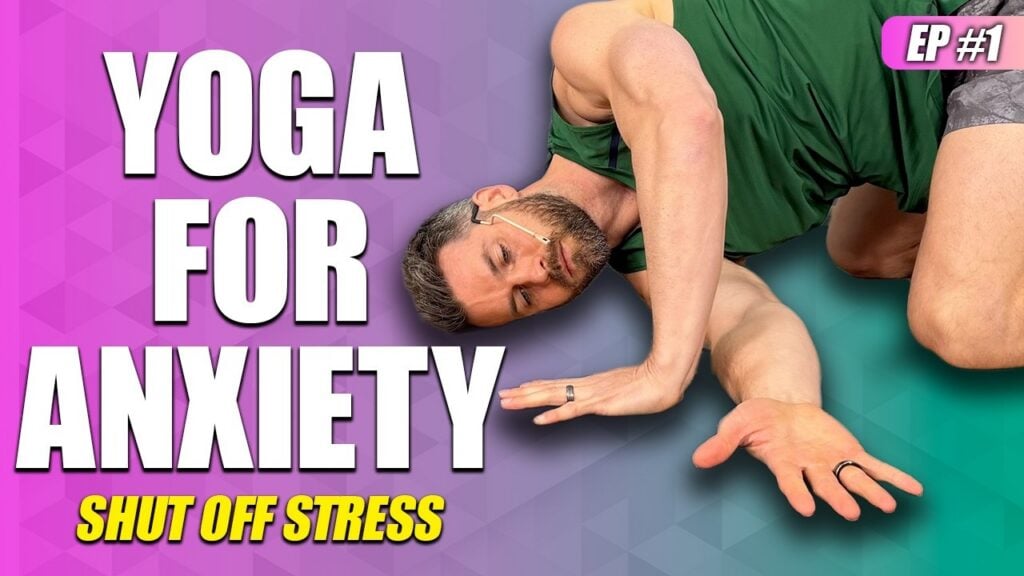
Calm Your Nervous System | Yoga for Anxiety Series #1 (20 Minutes)

This 20 minute version is available for free, And a 30-Minute version is available to members.
(Not a Member? Join today!)
If you’re currently experiencing anxiety, feeling like you’re close to a panic attack, or right in the middle of one, I want you to take a second and pause.
This 20-minute yoga routine is designed specifically to help you calm your nervous system, slow down your breathing, get out of your head, and help you move on with your day. We’re not worrying about perfect form or pushing flexibility here. Instead, we’re going to focus on body awareness, tuning in to your breathing, and using a few specific mental strategies to confront anxiety, take away its power, and calm everything down.
By the end of these 20 minutes, you’re going to be feeling a lot better and ready to move on with whatever you need to do.
The Mindset Strategy: Body Awareness vs. Anxious Thoughts
When anxiety hits, your mind wants to go into hyperdrive. It tries to analyze the stress, validate it, or solve the problem. But the more you go into the logic of anxiety, the more it comes back.
During this routine, we’re shifting our strategy:
- Focus on physical sensations: When an anxious thought pops up, don’t try to shove it out, and don’t engage with it. Just acknowledge it gently and bring your focus right back to your body—your shoulders, your neck, your hips, or your breath.
- Describe the stress, don’t encourage it: Notice where the tension is showing up. Is it a sharp feeling? A dull ache? Throbbing? Tingling? Describe what it feels like physically, but don’t try to attach a story or logic to it. Just try to be present with it.
- Watch the train go by: Imagine your thoughts are just a train passing through a station. You don’t have to jump on board and talk with those thoughts—you can just stand on the platform and watch them go by.
Step-by-Step 20-Minute Anxiety Relief Routine
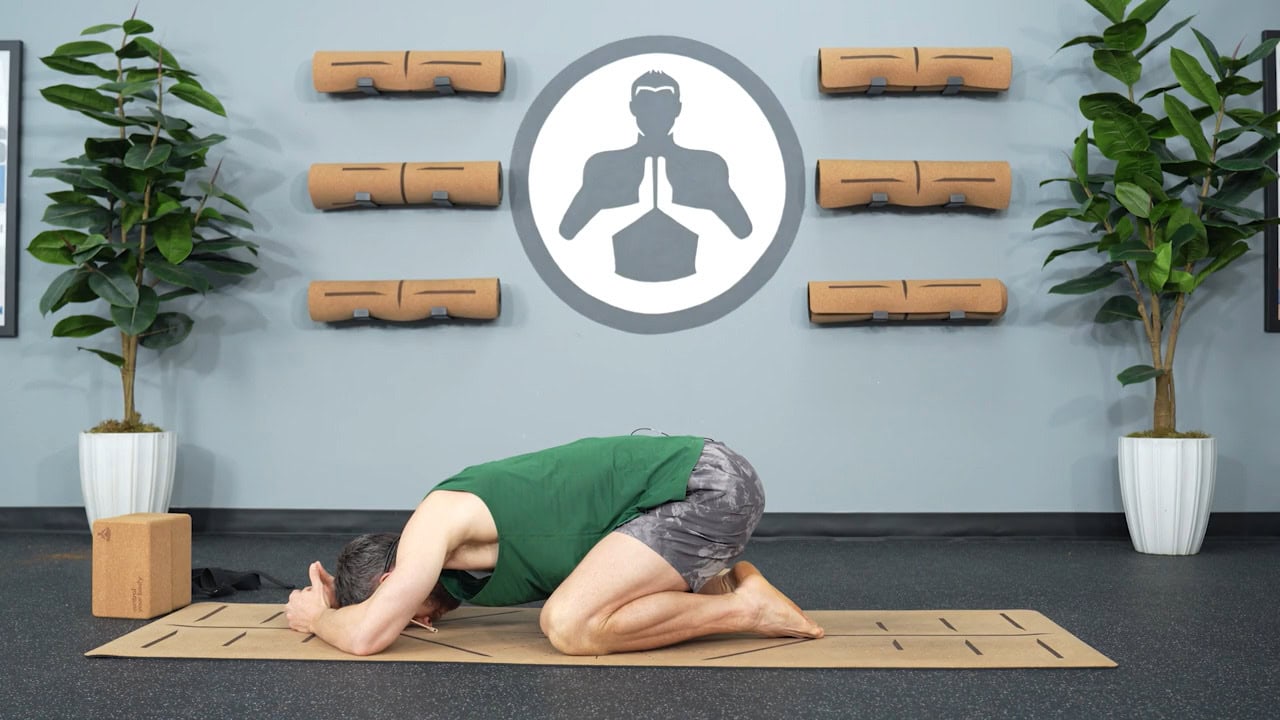
1. Child’s Pose
We’re going to start in Child’s Pose, which is probably the best pose you can use to really calm down and let your body know that it’s safe.
- How to do it: Bring your knees to the mat, sink your hips back toward your heels, and relax your forearms and head down to the ground.
- Modifications: If this hurts your knees, bring your hips further forward into more of a tabletop position with your forearms down.
- What to focus on: Start slowing down your breathing to drop your heart rate. Notice any stress in your shoulders, head, or hips. If anxious thoughts enter your mind, don’t try to fight them. Politely acknowledge them, ignore them gently, and return to your breath.
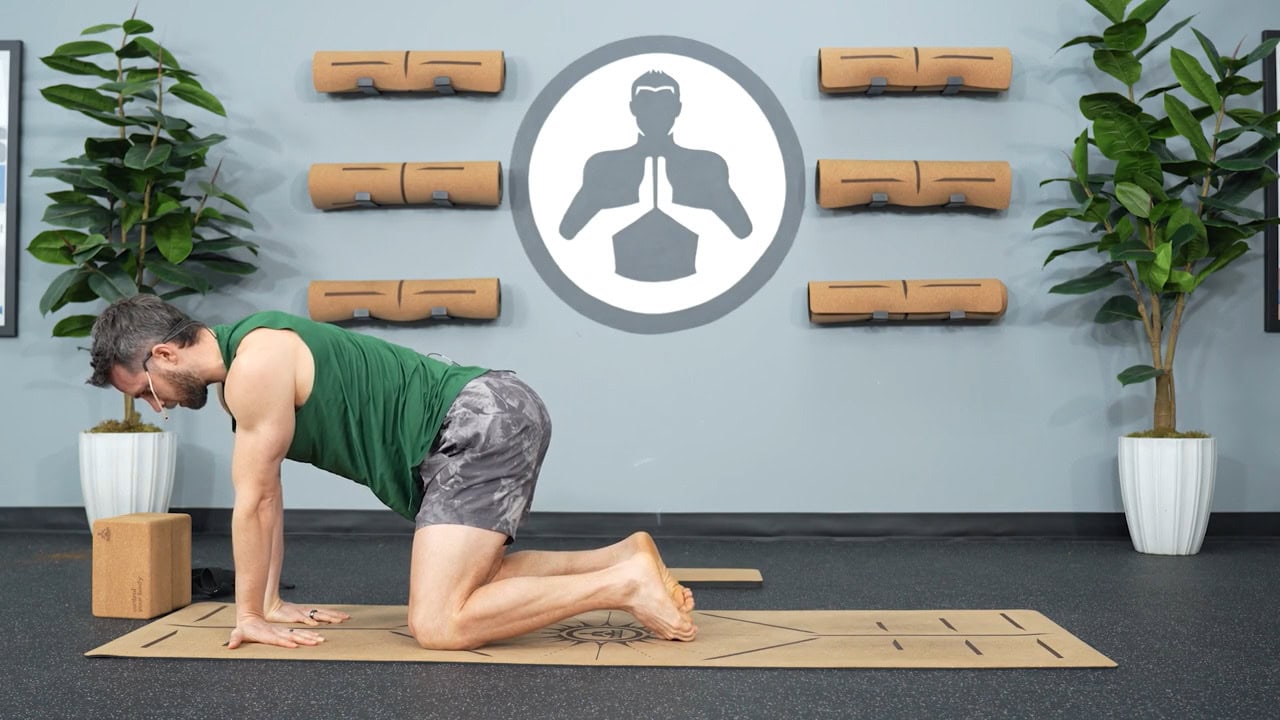
2. Tabletop with Prone Wrist Stretch & Neck Movements
Next, we’ll move up onto hands and knees to relieve tension in the wrists, neck, and shoulders.
- How to do it: From tabletop, flip your hands around so your fingers point back toward your knees for a prone wrist stretch. (If this causes pain, keep your hands in a standard tabletop position).
- Movement: Slowly move your head from side to side, swaying your hips and stretching out your neck.
- What to focus on: Pay attention to where you feel tightness. If there’s tension in your shoulders or a tingling feeling in your neck, don’t try to solve it. Just practice being present with whatever discomfort is there.
3. Supported Low Lunge
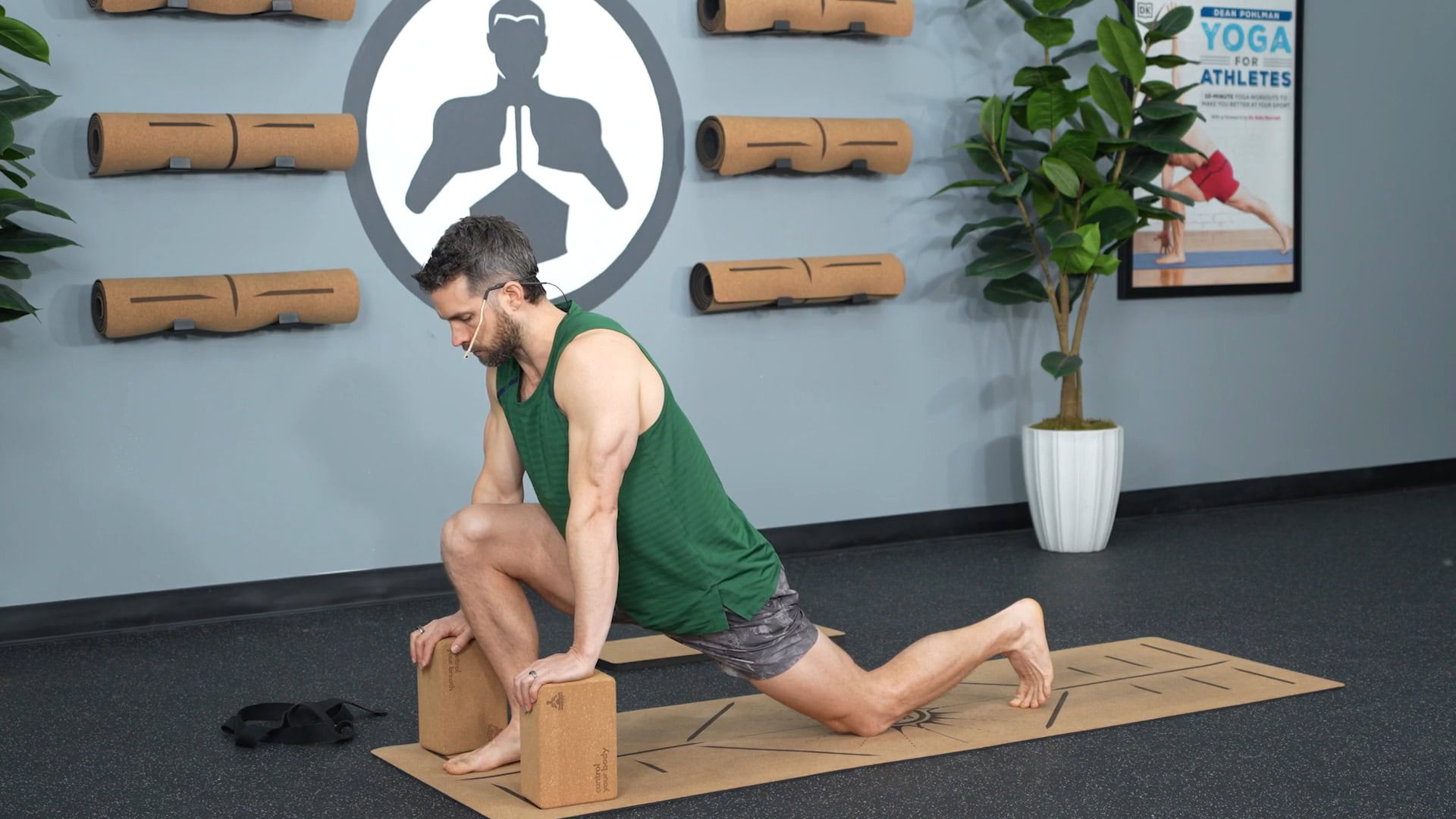
Now we’ll step into a grounded Low Lunge on each side to create a stable, secure foundation.
- How to do it: Step your right leg forward and bring your left leg back into a low lunge. Instead of staying upright and opening your chest up, lean forward slightly and close yourself off into a protected shape. Relax your chin down. Hold for a few slow breaths, then switch sides (left leg forward, right leg back).
- What to focus on: You don’t need intense muscle activation here. Focus on building a secure base so your mind takes cues from your physical stability.
- Try a Mantra: As you breathe, notice your chest and diaphragm expanding on the inhale and tension letting go on the exhale. If it helps, repeat a simple mental mantra:
- Inhaling calm, exhaling stress.
- Inhaling certainty, exhaling doubt.
4. Child’s Pose with Blocks (Shoulder Stretch)
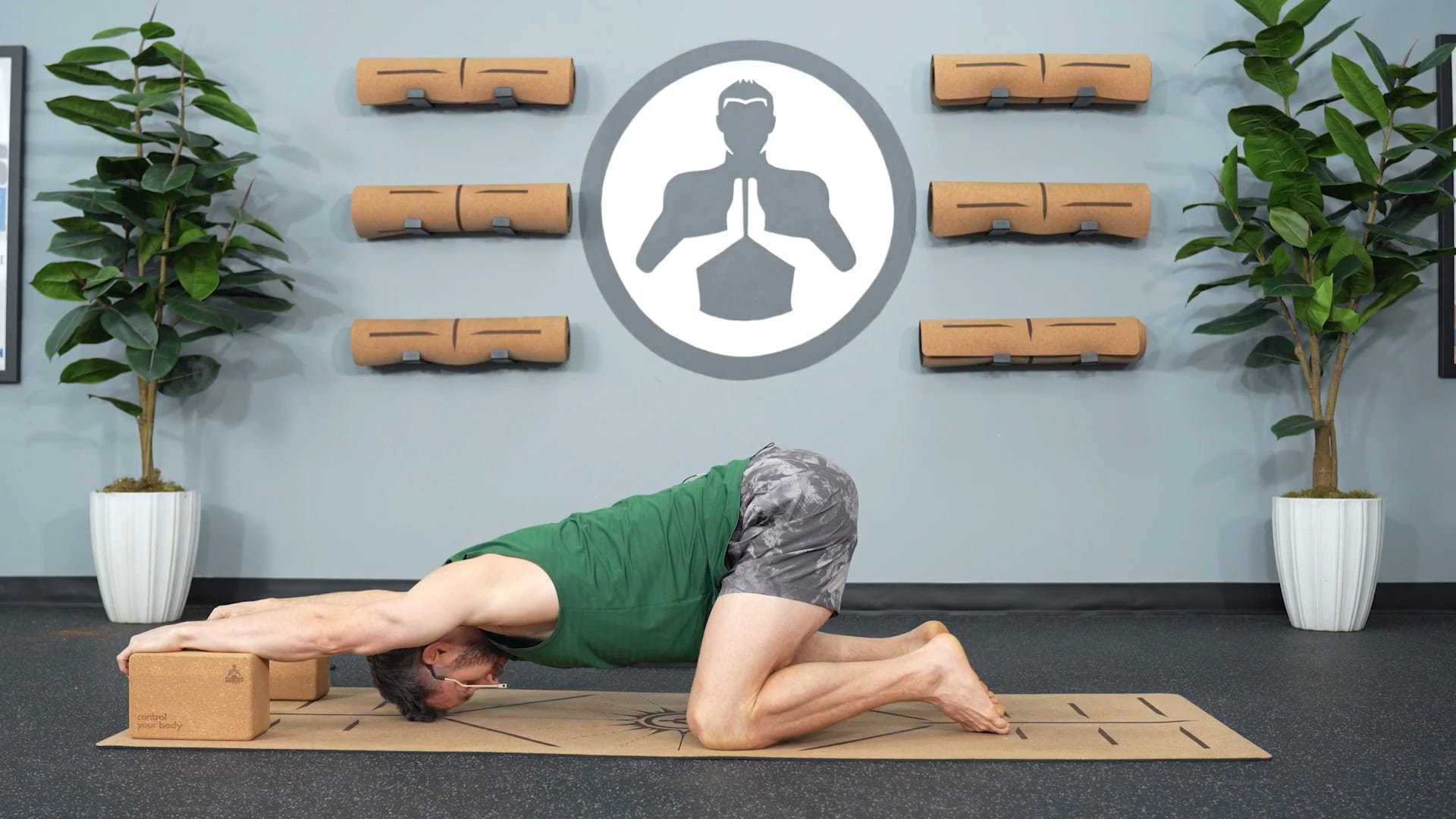
Taking it back down into Child’s Pose, we’ll add a gentle upper-body stretch using yoga blocks under your hands.
- How to do it: Rest your hands or wrists on two yoga blocks in Child’s Pose (or a modified Puppy Pose if your knees prefer less bend). Engage your upper body and core just enough to feel stable.
- What to focus on: Use this space to calmly reassert your body’s power and confidence. If those anxious thoughts are clamoring for attention, practice setting boundaries:
- Tell them: “Thank you, I know you’re trying to help, but that’s not true.”
- Or try: “Not right now. I’m going to deal with this tomorrow/during my journaling session later.” (Just be honest with yourself—don’t make promises to address it later if you won’t!)
5. Cat-Cow
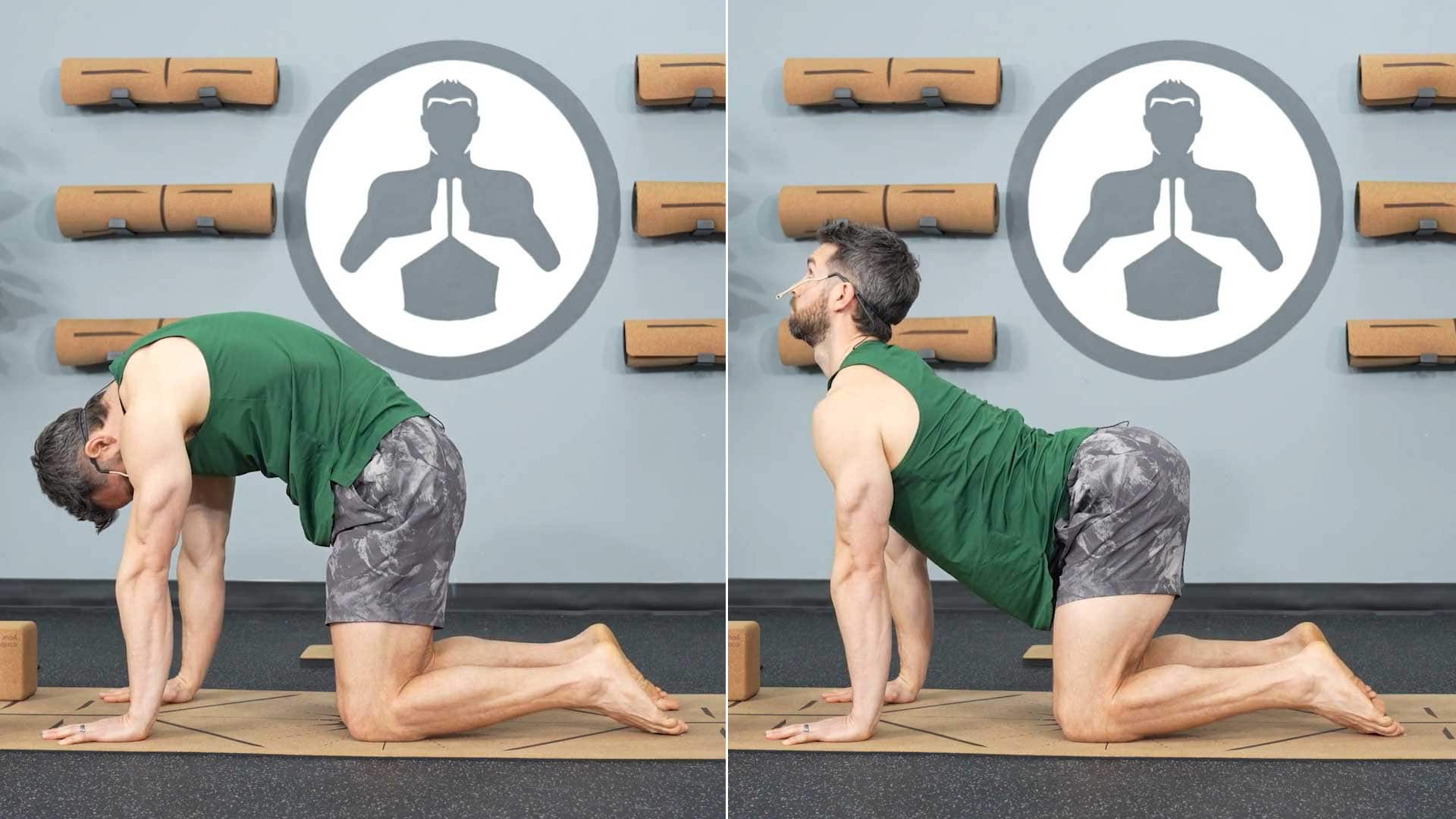
We’ll move back to a tabletop position to bring smooth, rhythmic movement to the spine.
- How to do it: Align your hands under your shoulders and knees under your hips. Inhale as you gently arch your back, looking forward or slightly up (Cow). Exhale as you round your spine, tucking your chin and reaching your tailbone down (Cat).
- Movement: Move back and forth through this motion for about 3 to 5 rounds, syncing each movement with your breath.
- What to focus on: Pay attention to the physical sensations through your back, chest, and shoulder blades.
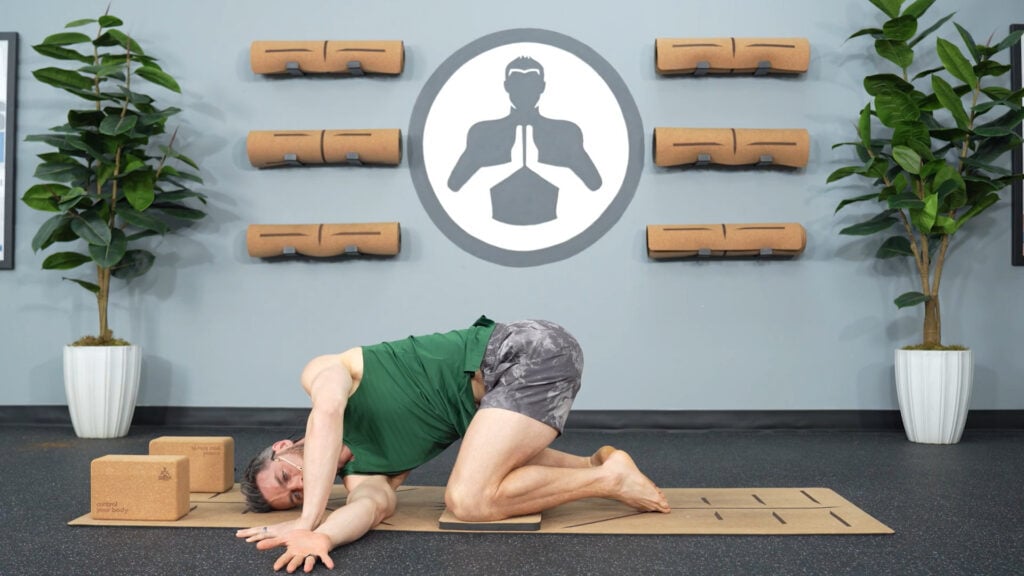
6. Needle Thread
This pose creates a deep sense of heaviness and grounding through your upper back and shoulders.
- How to do it: From tabletop or child’s pose, slide your left hand between your right hand and right knee. Relax your left shoulder and the side of your head down to the mat. Lightly press the back of your left arm and your right palm into the ground. Hold for a few deep breaths, then switch sides.
- What to focus on: Allow the weight of your hips and head to sink toward the mat. Feel that rooted, heavy sensation against the floor. Don’t worry about perfect technique or forcing a shoulder stretch—just hang out in the shape and breathe. If thoughts come up, politely nod at them without jumping on the train.
7. Reclined Single-Knee To Chest
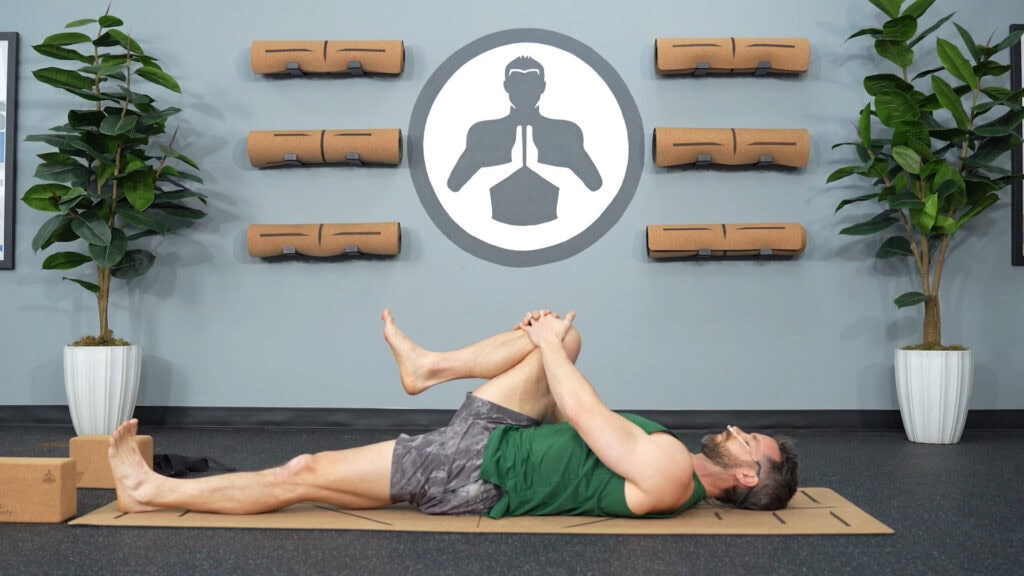
Finally, turn over onto your back. Being on your back opens up your chest, which can feel different and a bit exposed, but your body is ready for it now.
- How to do it: Lie flat, bring your right knee in toward your chest, and clasp both hands around it. Lightly pull the leg toward your shoulder. Hold for a few breaths, then switch to the left knee.
- Movement: If you feel trapped energy, try wiggling your toes, shaking your hands out, or rolling your head side to side. Sometimes being completely still isn’t what your body needs—it helps to “get the wiggles out.”
- Sensory Grounding: Keep your eyes open here. Look around the room you’re in and focus on your physical senses. Find a detail on the ceiling or wall that you’ve never paid attention to before to help anchor your mind in the present moment.
Moving On With Your Day
Slowly release your leg and take a moment before jumping up. If you have time and want to lie in a traditional rest pose (Savasana) to practice sitting neutrally with your thoughts while you’re calm, go for it.
If you need to head straight into a journaling session, get back to work, or jump back into daily life, carry this sense of physical stability with you. Remember: whenever anxiety starts creeping back, you can always shift out of your head and reconnect with your physical body and breath to bring everything back down.
Related Posts
- 3 Simple Strategies For Managing Stress, Anxiety, and Overwhelm | Dean Pohlman | Better Man Podcast Ep. 090
- Movember Week 1: Daily Stress Relief (My Go-To Activity)
- Movember Week 2: Journaling to Practice Positivity, Combat Self-Limiting Beliefs, and Improve Mental & Emotional Wellbeing
- Movember Week 3: The Digital Detox – Why I Deleted Social Media Apps, Creating Boundaries & More
- Movember Week 4: The Importance of Self-Care for Men
- Quick Yoga Routine to Relieve Stress from a Busy Job
- Yoga For Stress Relief: Poses and Guide
- Off the Mat: Mental and physical stress
- Yoga for Depression and Anxiety: Benefits & Poses
- How To Radically Change Your Internal Dialogue | Ted Phaëton | Better Man Podcast Ep. 169
- Why is Self-Care so Difficult? | Dean Pohlman | Better Man Podcast Ep. 092
- The Best Way To Improve Your Mental Health (That Most Guys Overlook) | Dean Pohlman | Better Man Podcast Ep. 086
- Overcoming Overwhelm: Strategies for a Better Headspace | Dean Pohlman | Better Man Podcast Ep. 065
- How to Practice Mindfulness in Everyday Life & Yoga
And if you’re Loving Man Flow Yoga…
About Dean Pohlman, Founder & CEO of Man Flow Yoga, Author of Yoga Fitness for Men, Expert on Yoga Fitness for Men.
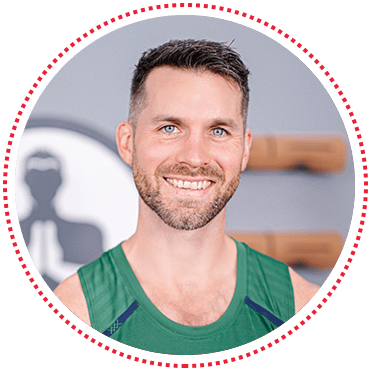
Dean Pohlman is making yoga more accessible to fitness-minded men. A former collegiate lacrosse player, Dean discovered yoga while recovering from injuries and quickly realized its potential to boost strength, mobility, and overall performance.
Since launching Man Flow Yoga in 2013, Dean Pohlman has built a global community that speaks for itself:
- 195,000+ customers
- 42+ million YouTube views
- 200,000+ followers across Instagram, Facebook, and TikTok
Dean’s book Yoga Fitness for Men has sold over 50,000 copies, while his Body by Yoga DVD series has surpassed 120,000 units sold, earning him consistent #1 rankings on Amazon and thousands of five-star reviews. He’s also been featured in Men’s Health, Muscle & Fitness, GQ Magazine, Fox Tampa Bay, The Chicago Sun, and on influential podcasts like The Ready State and Ben Greenfield Fitness.
With a focus on real results, community, and technique-focused instruction, Dean Pohlman continues to change the conversation around yoga. He’s not just teaching poses—he’s helping people build stronger, more capable bodies for life.